
Essential Steps to Breed a Dog: A Guide for Responsible Owners
Breeding a dog is a serious responsibility that requires knowledge, patience, and genuine care for the animals involved. It’s not simply about producing puppies—it’s about protecting the health, temperament, and quality of future generations.
Whether you’re an aspiring breeder or a caring dog owner exploring the process, understanding each stage is essential. From choosing the right pair and monitoring fertility to caring for the pregnant mother and raising healthy pups, every step must be approached with preparation and compassion.
This guide walks you through X steps to breed a dog, helping you make informed, ethical decisions that ensure the safety and well-being of both parent dogs and their puppies.
Understanding the Purpose of Dog Breeding

Dog breeding can serve many purposes, from preserving bloodlines to improving a breed’s temperament, health, or performance. For responsible breeders, it’s a passion focused on maintaining breed standards, not profit.
Some breeders work to enhance traits in service or sporting dogs, while others aim to produce healthy family companions. Breeding should never be undertaken casually or for looks alone; every pairing requires research and a commitment to the animals’ welfare.
Understanding your motivation for breeding is key to ensuring your intentions are ethical. This leads to healthier puppies and a positive impact on the breed.
Knowing the Right Age for Breeding

The right breeding age is crucial for producing healthy puppies. Female dogs should be bred only after reaching full physical and emotional maturity, typically around 18 to 24 months, depending on the breed’s size. Smaller breeds mature faster and may be ready earlier, while larger breeds take more time. Male dogs also need to reach sexual maturity, usually between 12 to 18 months, before siring a litter.
Breeding too early can cause weak litters, poor mothering instincts, or health issues for the female, while waiting too long may reduce fertility. Responsible breeders consult veterinarians to ensure both dogs are healthy, mature, and ready for safe reproduction. Proper timing ensures healthier parents and offspring.
Key Steps in Dog Breeding
Breeding a dog responsibly takes more than pairing two animals together—it requires planning, patience, and a deep understanding of genetics, animal health, and behavior. Whether you’re an experienced breeder or a dedicated dog owner looking to have your first litter, knowing the proper steps ensures the safety and well-being of both the parents and their puppies.
Below are the key steps in dog breeding that every responsible breeder should follow.
1. Understand the Responsibility of Dog Breeding
Dog breeding should never be taken lightly. It’s a serious commitment that demands time, financial investment, and emotional involvement. Responsible breeders aim to improve the breed, not just produce puppies for sale. Before deciding to breed, consider the lifelong care of both parents and any puppies that may not find homes. Breeding also involves learning about canine genetics, mating behavior, and potential health risks.
You should also understand the ethical aspect—dogs should never be bred for profit alone or under poor living conditions. Every litter deserves the best possible start in life, which means investing in proper food, shelter, and veterinary care. By approaching breeding with compassion and education, you contribute positively to the breed’s future.
2. Choose the Right Breeding Pair
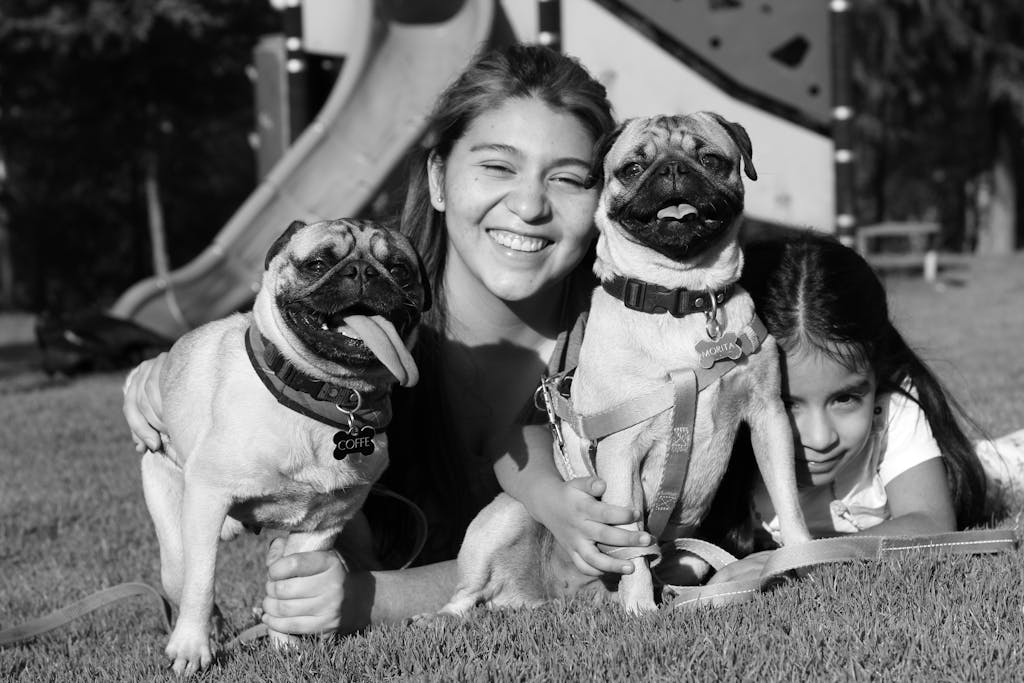
The foundation of successful breeding lies in selecting two healthy, compatible dogs. Start by evaluating their pedigrees, physical traits, and temperaments. Dogs should complement each other’s strengths while minimizing genetic weaknesses. For example, if a female dog has minor structural flaws, a male with superior conformation can help balance the litter’s quality.
Health testing is essential—both dogs should be screened for hereditary diseases common to their breed. These tests may include hip and elbow evaluations, eye exams, cardiac screenings, and DNA tests for genetic disorders. Breeding two dogs without testing can lead to passing on serious health conditions.
Temperament is equally important. Friendly, stable dogs are more likely to produce puppies with pleasant personalities suited for family life or specific working roles.
3. Conduct Comprehensive Health Checks

Before mating, both the male (stud) and female (dam) should undergo a full veterinary examination. This includes checking for infections, parasites, and reproductive health. Vaccinations should be up to date, and both dogs should be free from fleas, ticks, and intestinal worms.
It’s also vital to maintain a healthy diet before breeding, as nutrition affects fertility and the overall health of the puppies. A vet may recommend specific supplements like folic acid for the female to prevent birth defects.
Only breed dogs that are in peak health and physical condition. If either dog shows signs of illness or fatigue, postpone breeding until both are fully recovered.
4. Identify the Female’s Fertile Period
A successful breeding depends heavily on timing. Female dogs experience a heat cycle approximately every six months, though this can vary by breed and individual. The most fertile period usually occurs between the 9th and 14th day after the start of the heat, but this window can differ.
To improve accuracy, many breeders use progesterone testing—a simple blood test that determines the exact ovulation time. Tracking fertility signs such as swelling, discharge color, and behavior changes also helps pinpoint the best mating days.
Understanding and planning around the female’s heat cycle ensures a higher chance of successful conception and reduces stress for both animals.
5. Supervise the Mating Process
For mating, choose a calm, familiar environment for both dogs; stress hinders willingness. Always supervise for safety and offer gentle guidance if needed. During natural mating, dogs will “tie”—this is normal and shouldn’t be forced apart.
If natural mating isn’t possible, artificial insemination by a qualified vet is an option. Repeat successful mating within 24-48 hours to increase pregnancy chances.
6. Provide Proper Care During Pregnancy

Dog pregnancy lasts about 63 days. Focus on the mother’s health and comfort. Feed her a high-quality, nutrient-rich diet designed for pregnant or nursing dogs, gradually increasing portions. Schedule regular vet checkups to monitor fetal development. Prepare a whelping area—a clean, quiet, warm space—and introduce her to it beforehand.
7. Prepare for Whelping (Delivery)
As the due date nears, watch for restlessness, nesting, or a temperature drop. Have all supplies ready: clean towels, gloves, heating pad, and vet contacts. Most dogs deliver naturally.
Be ready to assist by clearing membranes from puppies’ noses and ensuring they breathe, but avoid over-interfering. Contact your vet immediately if labor is prolonged or the mother shows distress.
8. Care for the Newborn Puppies
The first few weeks are critical. Puppies need warmth and frequent nursing from their mother’s antibody-rich milk. Monitor their weight daily. Keep the whelping area clean, draft-free, and maintain a temperature of 29–32°C (85–90°F), gradually reducing it.
Consult your vet about bottle-feeding with puppy formula if the mother struggles to nurse; avoid cow’s milk. Around three weeks, puppies can begin supervised socialization.
9. Schedule Veterinary Care for the Litter
At six to eight weeks, puppies need first vet checkups, vaccinations (including deworming), microchipping, and health assessments. The mother also requires postnatal care and a nutritious diet; monitor for infection. If rehoming, document all medical records. Responsible breeders register litters with kennel clubs to maintain traceable lineage.
10. Find Responsible, Loving Homes
Ensure each puppy finds a responsible, caring home. Screen potential adopters carefully. Provide new owners with written care instructions, vaccination schedules, and advice on training. Good breeders offer ongoing support and will take back puppies needing rehoming. Your goal: secure happy, lifelong placements for every dog.
How to Prepare Your Home for the Breeding Process?
- Create a Clean, Safe Space: Before you start breeding dogs, choose a quiet, comfortable area away from noise and other pets to help them relax.
- Prepare for Mating: Ensure the environment is calm and temperature-controlled so both the female and stud dog feel secure during the breeding process.
- Gather Essential Supplies: Have clean towels, bedding, disinfectants, and food ready. Maintain hygiene to prevent infections.
- Provide Separate Rest Areas: Keep the stud dog and female apart when not breeding to avoid stress or unplanned contact.
- Plan for Supervision: Always monitor interactions to ensure safety and comfort.
- Consult Your Veterinarian: Before you start breeding dogs, confirm both animals are healthy and ready.
- Set Up a Whelping Area: Prepare a clean, warm space where the female can give birth comfortably after the breeding process.
Common Challenges and How to Overcome Them
Even the most experienced dog breeder knows that breeding dogs comes with challenges. From understanding the female’s heat cycle to ensuring proper nutrition and safe whelping, each step requires care and preparation. Whether you work with mixed breeds or purebred dogs, the goal remains the same—to raise healthy puppies and protect the wellbeing of both parents.
Below are some of the most common challenges breeders face and practical ways to overcome them.
1. Timing the Heat Cycle Correctly
One of the biggest hurdles for any dog breeder is determining the right time to mate. Female dogs usually come into heat twice a year, but the exact timing of ovulation can vary. Missing this window often leads to failed breeding attempts. To overcome this, keep a detailed record of the female’s heat cycle, noting behavior changes such as restlessness, swelling, or discharge color.
Veterinarians can perform progesterone testing to pinpoint ovulation accurately. This ensures that mating or artificial insemination happens at the most fertile time, improving the chances of conception and a successful litter.
2. Health Problems in Breeding Animals
Breeding dogs that are not in top health can result in weak or unhealthy litters. Before mating, both the male and female should undergo a full veterinary check-up. This includes testing for genetic conditions common in purebred dogs, ensuring vaccinations are current, and screening for parasites or infections.
Maintaining a balanced diet with proper nutrition before and during pregnancy is also essential.
Quality dog food rich in proteins, vitamins, and minerals supports fertility and energy levels, helping the female sustain a healthy pregnancy. Healthy parents are the foundation for strong, healthy puppies.
3. Whelping Complications
Even a well-prepared breeder can face difficulties during whelping. Some females, especially small or large breeds, may experience labor complications like prolonged delivery or puppies getting stuck in the birth canal. Having a whelping box ready is crucial—it provides a clean, comfortable, and controlled space for delivery.
Monitor the female closely during labor, and know when to call a vet. If contractions last too long or the mother seems distressed, immediate veterinary assistance is vital. Keeping a whelping kit with towels, gloves, a heating pad, and sterilized scissors ensures you’re ready for any emergency.
4. Nutrition for Puppies and Nursing Mothers
Once the puppies are born, feeding becomes a top priority. Nursing mothers need extra calories and nutrients to produce enough milk, so switch to a high-quality puppy or performance dog food. This provides the energy and protein needed for lactation.
As puppies grow, introduce puppy food around three to four weeks old to help them transition from milk to solids. Gradual weaning prevents digestive issues and promotes steady growth. Proper feeding schedules and clean water are key to raising robust, healthy puppies ready for adoption.
5. Behavioral and Temperament Issues
Another challenge for breeders is dealing with behavioral problems in the parents or puppies. Stressed or aggressive breeding animals can make the process risky. To overcome this, ensure dogs are socialized early and feel secure in their environment. Provide a calm atmosphere during mating and pregnancy to reduce stress.
Handling and socializing puppies from an early age also help them develop friendly temperaments. Exposure to humans and gentle environments builds confidence and prepares them for future homes.
6. Finding Responsible Homes
For many breeders, one of the hardest parts comes after whelping—finding good homes for the puppies. Ethical breeders take time to screen potential owners, ensuring they understand the responsibilities of raising a dog. Provide buyers with care instructions, vaccination records, and advice on training.
By rehoming only to committed families, breeders can ensure each puppy receives love and attention throughout its life.
7. Maintaining Ethical Breeding Standards
Lastly, every responsible dog breeder must commit to ethical practices. Avoid overbreeding females and allow enough recovery time between litters. Keep detailed breeding records and always prioritize health over profit.
Responsible breeding not only protects purebred dogs but also upholds the reputation of the breeder and the welfare of the entire canine community.
Financial and Time Commitment of Breeding Dogs
Breeding dogs requires a serious investment of both time and money. A responsible breeder must budget for veterinary care, health screenings, vaccinations, and emergency medical costs for both the mother and puppies. Quality food, supplements, and supplies such as whelping boxes, bedding, and cleaning products also add up quickly. Financially, costs can easily reach thousands before any puppies are sold.
Time commitment is just as demanding—monitoring the female’s heat cycle, caring for her during pregnancy, supervising whelping, and raising puppies requires daily attention for weeks. Newborns need constant care, feeding, and socialization to grow healthy and confident. Successful breeding demands patience, long hours, and careful planning. Breeders must be ready for sleepless nights and unexpected expenses while ensuring every dog receives proper care.
Legal and Ethical Considerations for Breeders
Responsible dog breeding involves following strict legal and ethical standards to ensure animal welfare and transparency. Breeders must comply with local laws regarding licensing, animal registration, and kennel conditions. Many regions require health certifications, vaccination records, and permits before selling puppies.
Ethically, breeders must avoid overbreeding, ensure safe and sanitary living environments, and never sell to unverified or irresponsible buyers. Honesty about breed traits, potential health issues, and puppy lineage builds trust and protects the reputation of the breeder. Maintaining accurate records, providing written contracts, and guaranteeing post-sale support are also key responsibilities.
Upholding these standards helps prevent animal cruelty, supports responsible ownership, and ensures that every puppy is bred with care, respect, and long-term well-being in mind.
When To Seek Professional Help

Knowing when to seek professional help is vital in the dog breeding process. Contact a veterinarian immediately if the female struggles during labor, shows signs of infection, or if puppies appear weak or fail to nurse properly. Breeders should also seek advice before mating to confirm both dogs are healthy and genetically compatible.
If you’re unsure about timing the heat cycle, handling newborns, or managing nutrition, professional guidance can prevent serious mistakes. Expert support ensures safe breeding, healthier puppies, and peace of mind. Responsible breeders know that timely veterinary assistance can make all the difference between success and loss.
Common Dog Breeding Mistakes to Avoid
- Skipping Health Tests: Never breed dogs without full veterinary screenings. Undetected conditions can lead to unhealthy puppies and complications.
- Breeding Too Early or Too Often: Allow females to mature fully and rest between litters to protect their health and fertility.
- Ignoring the Heat Cycle: Misjudging timing reduces pregnancy success. Track the cycle carefully or consult a vet for hormone testing.
- Poor Nutrition: Low-quality food weakens both parents and puppies. Always provide balanced meals and supplements as advised by your vet.
- Lack of Preparation: Not having a clean whelping area, supplies, or emergency vet contact ready can risk the mother’s safety.
- Selling to Irresponsible Owners: Screen buyers thoroughly to ensure puppies go to caring, committed homes.
Conclusion
Breeding dogs responsibly is a rewarding process that requires careful planning, time, and compassion. By following the essential steps—from selecting healthy parents and understanding the heat cycle to providing proper nutrition and preparing a safe whelping area—you help ensure the birth of strong, healthy puppies.