Taking Care Of The Mother Dog After Delivery
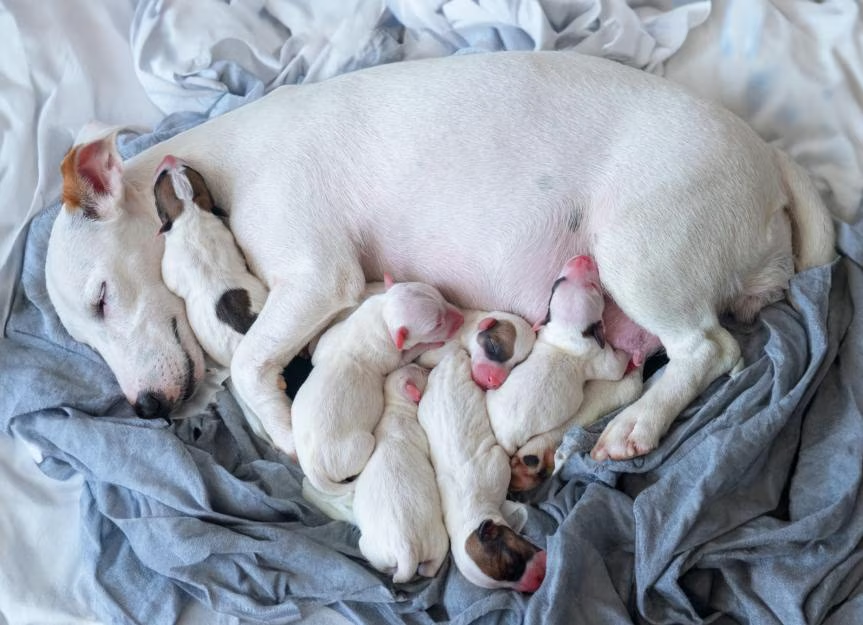
Caring for a mother dog after delivery is just as important as during pregnancy. The post-birth period is a critical time when the mother needs extra rest, nutrition, and attention to recover and care for her puppies.
How Important is Postpartum Care for Mother Dogs?
Postpartum (or postnatal) care is the critical period immediately after a mother dog gives birth. During this time, her body undergoes significant physical and hormonal changes, recovering from pregnancy and labor while also starting milk production.
Proper postpartum care is essential for her health and the well-being of her puppies. She needs ample rest, optimal nutrition, and close monitoring to avoid complications like infection or mastitis. Her uterus needs to shrink back to normal size, and milk production demands considerable energy.
How to Take Care of a Mother Dog After Delivery
Caring for a mother dog after delivery is one of the most important parts of responsible pet ownership. The period immediately following birth, known as the postpartum stage, is when the mother’s body works hard to recover while also nourishing and protecting her newborn puppies.
Proper nutrition, hygiene, rest, and emotional support are all essential to ensure she regains strength and that her litter develops safely. Below is a complete guide on how to take care of a mother dog after she gives birth.
1. Immediate Care After Delivery
Once the dog gives birth, she will be tired, dehydrated, and possibly anxious. The first step is to make sure she is clean and comfortable. Gently wipe away any fluids or blood around her hindquarters using a damp cloth. Replace the soiled bedding in the whelping box with clean, soft material. Make sure the puppies stay warm—they cannot regulate their body temperature yet, so maintain the room temperature around 26–29°C.
Check that all placentas have been delivered; if you’re unsure, contact your veterinarian. Retained placentas can cause infection or fever. Allow the mother to rest while her puppies nurse naturally—this helps stimulate milk production and uterine recovery.
2. Schedule a Veterinary Checkup
A vet visit within 24–48 hours after birth is essential. The veterinarian will ensure that the mother is healing properly, has no infections, and is producing enough milk. They can also check that all puppies are nursing well and gaining weight.
The vet may recommend supplements or medications if she shows signs of fatigue or calcium deficiency. This early veterinary medicine care helps prevent complications such as mastitis, eclampsia, or postpartum infections.
3. Provide Proper Nutrition
Postpartum nutrition is critical. The mother’s calorie and nutrient requirements double or even triple during lactation. Switch her to puppy food designed for reproduction or lactating dogs—it’s formulated to support milk production and restore her strength. Choose high-quality food approved by the American Feed Control Officials (AAFCO) to guarantee a well-balanced diet rich in protein, calcium, and fats.
You can free feed her during this stage, allowing her to eat whenever she’s hungry. Nursing demands a lot of energy, and restricting her food intake may lead to weakness or reduced milk production. Always keep a bowl of fresh, clean water nearby since hydration directly impacts milk flow.
4. Keep the Whelping Area Clean and Calm
A clean, quiet environment promotes faster recovery. The whelping box should be warm, soft, and free from drafts. Replace bedding daily to prevent bacteria growth, as infections can harm both the mother and her puppies. Avoid harsh cleaning chemicals—use mild, pet-safe disinfectants.
Keep the area peaceful. Loud noises, frequent visitors, or other pets can make the mother anxious, affecting her ability to nurse. Calm surroundings encourage relaxation and bonding with her puppies.
5. Support Emotional Health and Bonding
Mother dogs can be protective, tired, or nervous after giving birth. Give her privacy but remain nearby to monitor her well-being. Offer gentle reassurance, soft talking, and occasional petting to help her feel secure. Avoid separating her from her litter unless necessary for cleaning or veterinary care.
Emotional support also includes patience. Some dogs may appear disinterested or unsure at first; with time and a calm atmosphere, maternal instincts usually strengthen, and bonding improves.
6. Monitor Milk Production and Nursing
A healthy mother should nurse her puppies every few hours. Watch that each puppy latches properly and feeds regularly. If a puppy cries excessively or appears weak, it might not be getting enough milk. Massage the mother’s mammary glands gently to check for warmth or swelling—signs of mastitis require immediate veterinary attention.
If milk production seems low, increase her food intake gradually and provide proper nutrition. Consult your vet about supplements or medications that safely boost lactation.
7. Maintain Hygiene and Grooming
Hygiene plays a big role in preventing infection. Clean the mother’s underside with a damp cloth daily, especially around the nipples, to remove milk residue and dirt. Do not give her a full bath until she has completely recovered and the puppies are strong enough to regulate body temperature. Trim excess hair around the nipples to make nursing easier and reduce bacterial buildup.
Keep her nails short to avoid accidentally scratching her puppies. Regular grooming sessions help her feel relaxed and comfortable during recovery.
8. Watch for Postpartum Complications
The days following birth can be risky if problems go unnoticed. Warning signs include fever, loss of appetite, heavy bleeding, foul-smelling discharge, or swollen, painful mammary glands. Also watch for tremors or stiffness, which may indicate eclampsia (low calcium levels).
If the dog seems weak, avoids her litter, or stops eating, call your vet immediately. Early diagnosis and veterinary medicine intervention can prevent life-threatening conditions.
9. Help With Puppy Care
Monitor the puppies daily to ensure they are nursing, breathing well, and gaining weight. Weigh them at the same time each day—steady growth is a sign they’re receiving enough nutrition. Keep the puppies warm at all times using safe heating pads or warm bedding.
Avoid excessive handling during the first two weeks, as this can stress the mother. Allow her to clean and feed them naturally. At around three to four weeks, begin weaning by offering moistened puppy food designed for growth and gradually reducing nursing sessions.
10. Support Gradual Weaning and Recovery
By week four or five, the puppies will begin exploring solid foods and nursing less frequently. As nursing decreases, slowly reduce the mother’s food intake to prevent engorgement or overproduction of milk. Continue feeding her high-quality food for at least a month after weaning to help her fully recover.
Encourage light exercise once she regains strength—it helps restore muscle tone and energy. Monitor her weight, coat, and energy levels as signs of overall dog’s health.
11. Ensure Rest and Stress-Free Environment
Rest is crucial for a nursing dog. Limit visitors and keep other pets away from the whelping area for at least the first few weeks. Too much activity can make her anxious or overprotective.
A peaceful routine—feeding, cleaning, and gentle interaction—helps her regain confidence. Pet parents should offer emotional reassurance while maintaining consistency in care, ensuring she feels safe and loved.
12. When to Call a Veterinarian
Always seek professional help if the mother dog or any of her puppies show signs of distress. Urgent symptoms include refusal to eat, continuous panting, pale gums, heavy bleeding, or refusal to nurse. Weak or cold puppies also need immediate attention.
Regular follow-ups with your vet are crucial during the first few weeks. They’ll guide you on deworming schedules, vaccination plans, and long-term nutrition for both the mother and litter.
Taking care of a mother dog after delivery requires compassion, attentiveness, and consistency. From providing proper nutrition through puppy food designed for lactation to maintaining a clean whelping box and monitoring her milk production, every action supports her recovery and her puppies’ growth.
When and How to Bathe the Mother Dog
A mother dog usually keeps herself clean, so bathing may not be needed after delivery. However, if she’s very dirty from birth or needs pampering, you can bathe her safely.
Wait at least two weeks for her body to heal and adjust, especially if she has stitches, before giving a full bath. In the meantime, use warm water and a damp cloth to gently clean her underbelly and genital area.
Once she’s healed, use a gentle shampoo made specifically for dogs; human shampoos can irritate their skin. Always use lukewarm water, never hot.
Here are some bathing tips:
- Choose the right time: Bathe her when she’s relaxed to make it a positive experience.
- Gather supplies: Have shampoo, towels, and treats ready.
- Brush coat: Remove tangles or mats before wetting to prevent them from worsening.
- Use lukewarm water: Fill the tub enough to cover her body without overwhelming her.
- Wet thoroughly: Use a showerhead or cup, avoiding her eyes and ears.
- Lather gently: Apply dog shampoo, working from neck down.
- Rinse well: Ensure all soap is rinsed to prevent skin irritation.
How to Encourage Bonding Between Mother and Puppies
Encouraging bonding between a mother dog and her puppies is essential for their emotional and physical development. Right after the dog gives birth, allow her to clean and lick her puppies—this instinctive behavior helps stimulate breathing, circulation, and immediate attachment. Avoid separating them unless necessary for cleaning or veterinary checks. Keep the whelping box warm, quiet, and free from distractions so the mother feels safe and relaxed while nursing.
Provide plenty of high-quality food and water nearby so she doesn’t have to leave her puppies often. Limit visitors during the first two weeks to prevent stress. If the mother seems unsure or neglects her litter, gently guide her to lie beside the puppies and supervise feeding. With patience, a calm environment, and emotional support from the pet parents, natural maternal instincts will strengthen, fostering a healthy, nurturing bond that ensures the puppies stay warm, fed, and loved.
Can Stress Stop a Mother Dog From Bonding?
Yes, stress can definitely prevent a mother dog from bonding with her puppies. After birth, she needs peace, warmth, and security to develop maternal instincts. Loud noises, unfamiliar people, or constant handling of the puppies can make her anxious or defensive.
Stress may also reduce milk production or cause her to ignore or reject her litter. To prevent this, keep the whelping box in a quiet, comfortable area away from household activity. Limit visitors, maintain a consistent routine, and provide high-quality food and water nearby. A calm, supportive environment helps her relax, nurture, and bond naturally with her puppies.
Avoid These Mistakes While Handling Another Dog
Here are key points to avoid mistakes when handling another dog around a mother dog and her puppies:
- Avoid early introductions: Do not allow another dog near the mother or her puppies for at least 3–4 weeks after birth.
- Prevent stress: The mother may become protective or aggressive; keep her environment calm and quiet.
- Maintain hygiene: Always wash your hands before touching the puppies, especially if you’ve handled another dog.
- No unsupervised contact: Never let another dog sniff or play near the whelping box without close supervision.
- Respect her space: Give the mother privacy and reassurance to avoid triggering anxiety.
- Gradual introduction: Only allow controlled, short interactions once the puppies are older and the mother feels secure.
- Prioritize safety: Monitor all intera
Caring for a mother dog after delivery is a vital responsibility that ensures both her recovery and the healthy growth of her puppies. During this period, she needs a clean, quiet, and stress-free environment, along with a well-balanced diet and constant access to fresh water. Providing high-quality food or puppy food designed for lactation supports her milk production and energy levels.